

Is It OCD or Anxiety? Dr. Lorraine Breaks It Down on Mind Meets Medicine
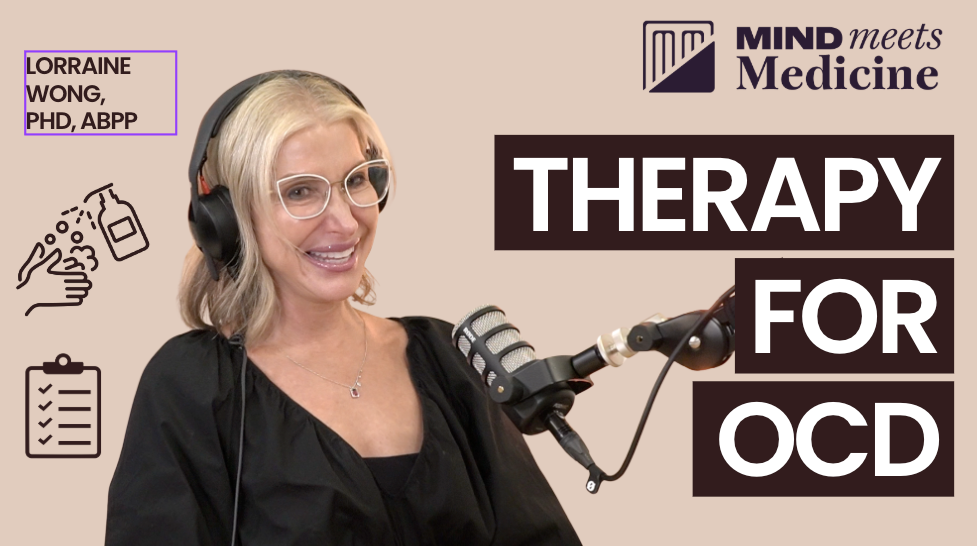
Ever wonder whether what you're feeling is Obsessive Compulsive Disorder or Generalized Anxiety Disorder? You're not alone - and it turns out even experienced therapists have to look closely to tell the difference.
In a new episode of Mind Meets Medicine, our founder Dr. Lorraine sat down with hosts Kaila and Dr. Sir for a candid, wide-ranging conversation about OCD, anxiety and what real treatment actually looks like.
What We Cover
This isn't a surface-level chat. Dr. Lorraine dives into:
OCD vs. Generalized Anxiety Disorder - the subtle but important differences, and why so many people are misdiagnosed or go untreated for years
"Pure O" and mental compulsions - the hidden, invisible side of OCD that doesn't look like classic hand-washing or checking behaviors
Exposure and Response Prevention (ERP) - why response prevention matters just as much as exposure itself
ACT (Acceptance and Commitment Therapy) - how values-based work helps clients tolerate discomfort instead of avoiding it
Harm OCD and health anxiety - two of the most misunderstood and stigmatized presentations of OCD
Medication, family accommodation and why humor belongs in the therapy room
Dr. Lorraine also opens up about her own history with panic disorder and how it shaped her path into treating OCD and anxiety disorders - a perspective that brings real warmth and honesty to the conversation.
Why It Matters
Whether you're navigating your own symptoms, supporting a loved one or you're a fellow clinician curious about treating OCD and Generalized Anxiety Disorder more effectively, this episode offers grounded, practical insight - no jargon, no judgment.
Listen or Watch Now
🎧 Listen to the episode on Apple Podcasts or 🎥 Watch the episode on YouTube
If you're struggling with OCD, Obsessive Compulsive Disorder, or Generalized Anxiety Disorder and think it might be time to talk to someone, reach out and schedule a free consultation- we're here to help.
